
Introduction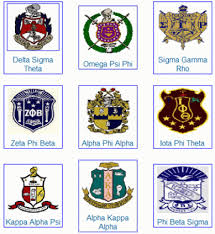
Greek life has been an essential and vibrant part of Historically Black Colleges and Universities (HBCUs) since its beginnings in the early 20th century. These organizations arose from a need for Black students to create supportive communities in higher education systems where they were often excluded and marginalized. The first Black Greek-letter fraternity, Alpha Phi Alpha, was founded at Cornell University in 1906 by a small group of African American students seeking academic support and brotherhood in a predominantly white Ivy League setting. Shortly after, HBCUs became the primary environment where Black Greek organizations could flourish, founding sister sororities and fraternities focused on academic excellence, leadership, social justice, and cultural pride.
Greek life at HBCUs has grown to include the Divine Nine — nine historically Black fraternities and sororities — that uniquely blend tradition, activism, and community service, shaping Black culture both on campus and beyond. This module will explore how Black students adapted the Greek-letter organization model to fit their cultural experiences and needs, building spaces of kinship and empowerment when mainstream Greek life did not welcome them.
Research
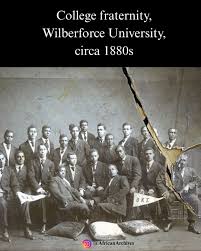
he origins of Black Greek life date back to 1890 when Beta Kappa Sigma (also known as the Black Cats) was founded at Wilberforce University, one of the first private HBCUs. However, the most historically significant milestone came in 1906 with the establishment of Alpha Phi Alpha Fraternity at Cornell University, the first intercollegiate Black fraternity. This fraternity was created to provide a support system for Black students facing discrimination, social isolation, and academic challenges at predominantly white institutions.
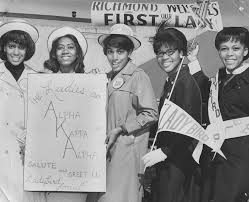
The Black Greek-letter organizations (BGLOs) soon spread to HBCUs such as Howard University, where the first Black sorority, Alpha Kappa Alpha, was founded in 1908, followed by Delta Sigma Theta, Zeta Phi Beta, and Sigma Gamma Rho. These organizations emphasized scholarship, leadership, community service, and cultural awareness, providing Black students with lifelong networks and opportunities for personal growth and social activism. Greek life at HBCUs offered a unique cultural identity, blending African American heritage with principles of excellence, respect, and public service.
HBCUs became a haven for Greek life as many Black students were denied membership or faced discrimination within predominantly white Greek organizations at PWIs. Over time, BGLOs solidified their legacy by fostering leadership during the civil rights movement and continuing to impact Black communities nationwide through educational initiatives, voter registration drives, and philanthropic efforts.